
A Tangled Skein
August means one thing: the vines are taking over. Climbing trees, smothering shrubs, and creeping over everything in sight, invasive vines can quickly take control. Time to fight back and reclaim the landscape!
North Creek's weekly blog featuring insights on the Landscape Plug™, gardening tips, design ideas, native plants, and garden ecology!

August means one thing: the vines are taking over. Climbing trees, smothering shrubs, and creeping over everything in sight, invasive vines can quickly take control. Time to fight back and reclaim the landscape!

What if the best way to control invasive plants was… dinner? Our latest Space Invaders installment explores edible invasives across the Mid-Atlantic, how they impact ecosystems, and how to remove them one bite at a time!

Spring weather is getting less predictable, so planning ahead matters more than ever. For this blog, we share simple tips for adjusting planting schedules and helping your Landscape Plugs™ succeed, no matter what the season brings!

As winter settles in and the garden slips into dormancy, its true structure comes into focus. Without the distraction of blooms, we can finally see the bones, and begin the hard, necessary task of editing. In this week’s blog we reflect on what it really means to steward a landscape over time. Gardens are never “finished.” Winter is the perfect moment to pause, observe, and decide!

Perfectly clipped privet hedges once framed early American homes. It was practical, beautiful, and deeply rooted in tradition. Privet became a go-to plant for living fences across the country. But what was once considered dependable and adaptable has since spread far beyond the garden. In Pennsylvania, several species are now recognized as invasive and prohibited from sale. In our next installment of space invaders, find out how privet became a landscape staple and why its legacy is more complicated than we once thought!

Bindweed, pretty on the outside, pure chaos on the inside. This late-season menace is creeping into gardens everywhere, and the story behind it is wilder than you’d think. Want to know how it got here… and why it won’t leave?

Landscape fabric promises a weed-free garden, but the reality couldn’t be further from the truth. Over time, it breaks down, tangles with roots, and creates an even bigger mess than before. In our newest blog, we break down why this so-called “weed barrier” is one of the most persistent garden myths, and what to do instead!

Want your garden to shine just as the leaves start to fall? Learn how timing your cutbacks (and choosing the right set of perennials) can push perennials to bloom later in the season — giving pollinators more to forage and landscapes more to admire!

From coastal dunes to riverbanks, sandy soils are everywhere. Learn how to make them bloom beautifully!
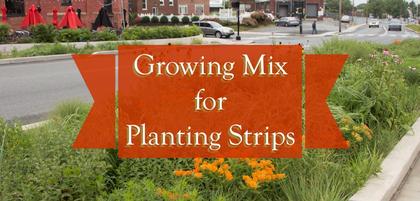
Most people just seed it with grass and mow, but for those who dream of turning every square inch into a pollinator paradise or colorful planting bed, this “hell strip” can be the final frontier.
Yellow nutsedge is the sneaky invader that keeps coming back, spreading underground with nutlets that survive for years. This week’s blog dives into why this glossy green menace is so hard to beat, and how to finally show it the door!

Even in the face of record heat, the signs are there, native plants are making a difference. Small efforts ripple outward. Together, we make waves!
Nature doesn’t plant in rows, so why should we? Explore how Vita Sackville-West’s wild and generous garden style mirrors the richness of natural ecosystems!
Ever wonder why certain garden spaces just feel right? There’s a reason, and it might be older than you think! Dive in with us as we explore Prospect-Refuge Theory, a fascinating concept from environmental psychology that explains why people are drawn to spaces that offer both shelter and a view. Discover how one overlooked corner of our trial garden led us to rethink design, and how you can use these principles to craft inviting, instinctively comforting landscapes!
Spring projects are in full swing! Plants in the ground, mulch down, visions coming to life. But what about those tricky early years when young trees haven’t yet cast their shade? How do you design a planting that works now and in the future?
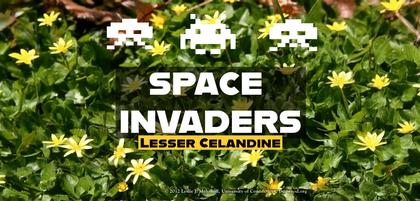
While admiring the early spring bloomers, we spot cheerful yellow flowers atop lush green leaves—refreshing signs of life! But soon, we realize it's everywhere. Uh oh... another invader? Two similar-looking spring bloomers often cause confusion: native marsh marigold and the invasive lesser celandine...

As we hop out of early spring—where tulips, daffodils, spring phlox, fleabane, and Virginia bluebells have had their moment to shine—we might find ourselves in a bit of a planting pause. Gardeners of yore called this the “spring gap,” a brief and peaceful egg-stra intermission between the cool-season bloomers and the peep-ing onset of summer color. But don’t let your clients’ gardens put all their eggs in one seasonal basket! If they're hunting for a pop of color during this lull, may we crack open a suggestion: the hardy geranium—truly the unsung workhorse of the shade garden!

Thirty years ago, North Creek’s first catalog was a simple, hand-illustrated creation. While much has changed, our heart remains the same. Today, we’re revisiting the classics—North Creek Legacy Plants—timeless favorites from our debut catalog that have thrived for over three decades!

Have you ever been curious about the story behind North Creek? From our humble beginnings to the challenges we've overcome, the triumphs we've celebrated, and the legacy we're building, our journey is one of passion and perseverance. Explore how we got started, our commitment to fostering sustainable environments, and our dedication to continuous learning—all while providing top-quality plant products to our valued customers.
For many, the thought of eliminating an invasive plant simply by cutting it back—without the hassle of heavy labor or herbicide exposure—sounds like a dream come true. Just keep trimming it, and the problem disappears? Sign me up! But does this method actually work? Let's dive in!

Many native "weeds" get an unfair bad rap—brushed off as unruly, undesirable, or just too ordinary. But what if we told you these overlooked plants are actually garden superheroes in disguise? It’s time to rethink what we dismiss and discover the hidden gems right under our noses!
From warm hues to cool undertones, white is anything but basic—it’s the wild card of the garden, tricky to master but oh-so-rewarding. Crafting a bouquet of white-blooming beauties, accented with lush greens, takes more heart than we first imagined. Eight years ago, we in the trial garden fell head over heels for the idea of a “white native plant garden,” and, like any love story, there were plenty of lessons learned along the way.
If you planted a garden expecting vibrant flower colors but noticed a dull appearance during this drought year, don't blame yourself or the catalog photos. The issue may lie in the environment's impact on your plants. Let’s explore this phenomenon and uncover what’s happening!
Are you in the middle of winter season cutbacks? Haven’t started? Already done? How do you and your team determine when is the right time to perform cutting back the previous season’s growth? In January, we’d like to make the case for waiting patiently on your winter cutbacks. We’ve all heard about maintaining interest in the garden during the bleak winter months, but there’s more going on than first glance.